What Is Myofascial Dry Cupping?
Myofascial dry cupping is a modern soft-tissue therapy used to reduce muscle tension, improve movement, and support recovery from pain or injury.
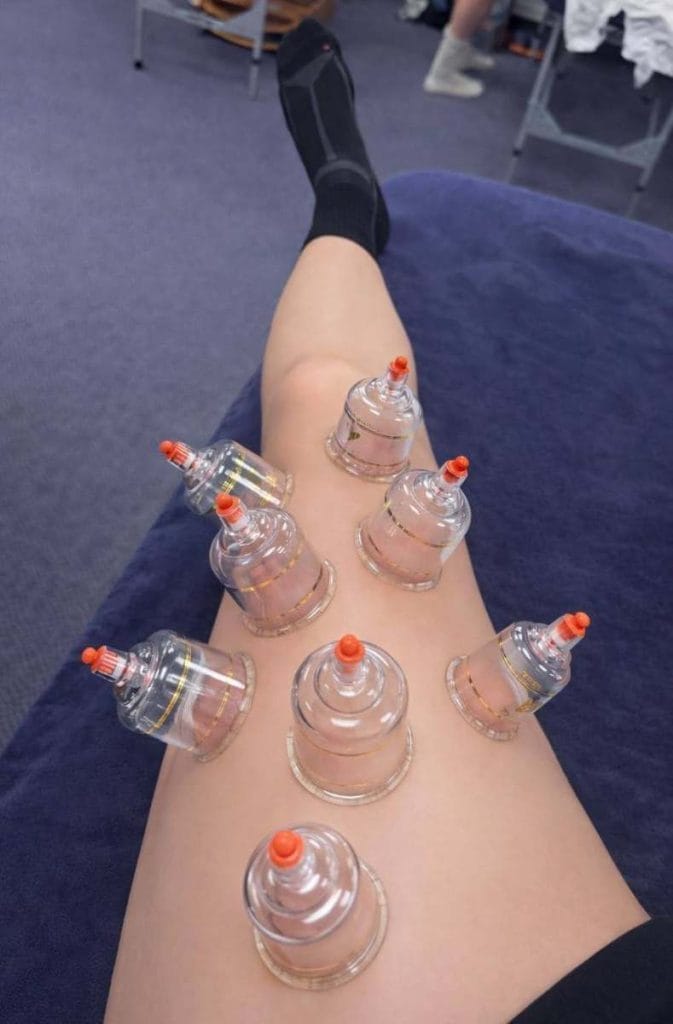
Using a Western, evidence-informed approach, specialised cups are applied to the skin to create gentle suction. This negative pressure lifts the skin and underlying fascia (connective tissue), helping to restore normal tissue glide and reduce restriction.
Dry cupping is commonly used alongside osteopathic treatment, rehabilitation exercises, and hands-on therapy to improve outcomes for musculoskeletal conditions.Dry cupping does not involve needles or blood. The skin remains intact at all times.
How Does Dry Cupping Work (Western Approach)?
Unlike massage, which compresses tissues, dry cupping works by lifting them.
The suction created by the cups:
- Decompresses tight or restricted fascia / muscles
- Improves local blood flow
- Reduces sensitivity in overactive pain pathways
- Helps restore normal movement between tissue layers
This makes it particularly effective for stubborn muscle tightness, postural strain, and areas that feel “stuck” or resistant to manual therapy alone.
What Conditions Can Dry Cupping Help With?
Dry cupping may be helpful for a wide range of musculoskeletal issues, including:
- Back pain and stiffness
- Neck and shoulder tension
- Sports injuries and muscle strains
- Postural pain (desk work, driving, repetitive tasks)
- Reduced mobility following injury
- Training-related muscle overload
- Persistent tightness that hasn’t responded to other treatments
It is commonly used in both active individuals and everyday patients, not just athletes.
What Happens During a Treatment Session?
A dry cupping session is always tailored to your needs and comfort.
Typically:
- The area is assessed and discussed with you
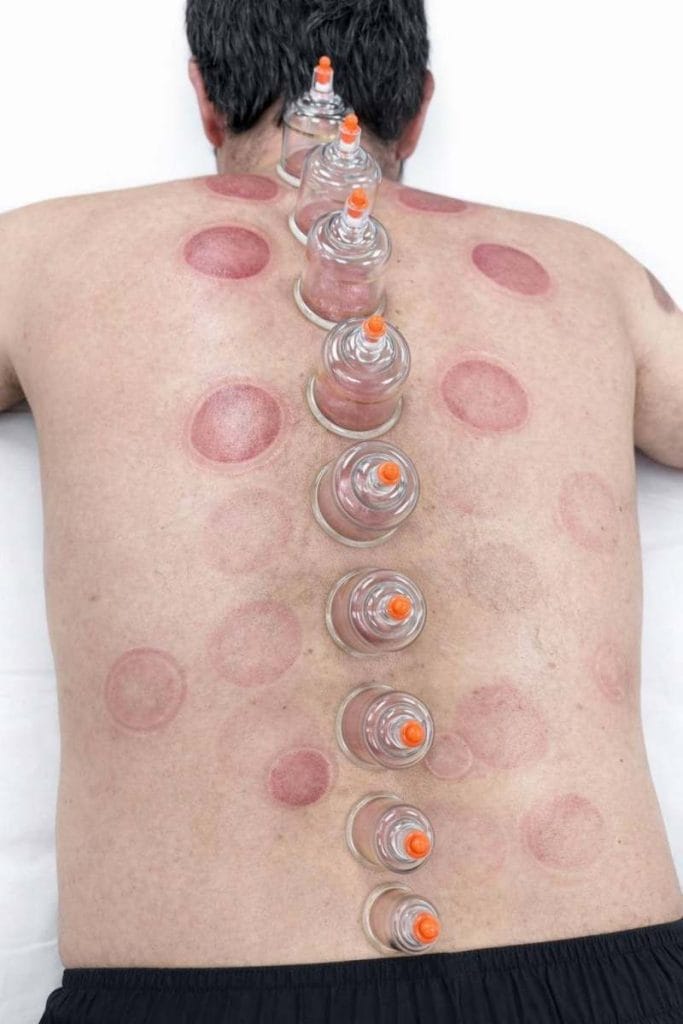
- Cups are applied to specific muscles or fascial lines
- Suction is adjusted to a comfortable level
- Cups may remain still or be gently moved
- Treatment usually lasts 5–15 minutes per area
Dry cupping is usually combined with:
- Osteopathic hands-on treatment
- Movement advice
- Rehabilitation exercises
Does Dry Cupping Hurt?
Most patients describe dry cupping as:
- A strong pulling or stretching sensation
- Surprisingly comfortable once the cups are in place
- Sports injuries and muscle strains
Suction intensity is always adjusted to your tolerance.
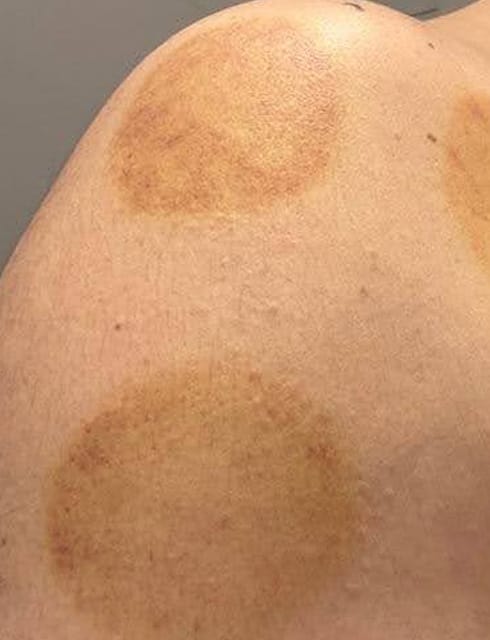
Cupping marks at Day 10
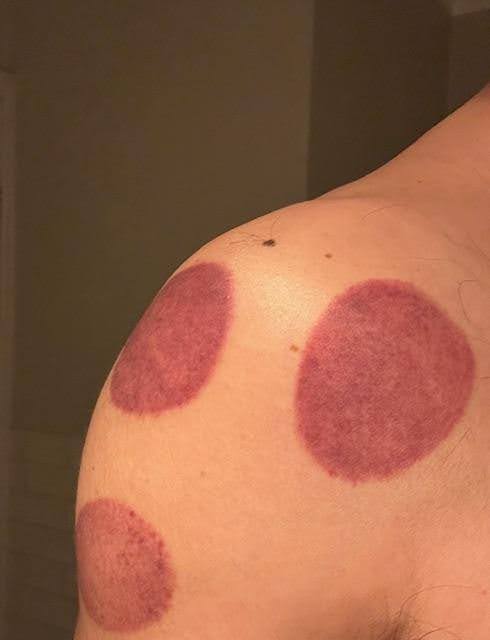
Cupping marks at Day 1
Cupping Marks: What You Need to Know
One of the most common questions patients ask is about cupping marks.
Are cupping marks normal?
Yes — they are a normal and expected response to cupping therapy.
Do they hurt?
No. Most marks are painless and feel like mild post-exercise soreness, if anything.
Not everyone marks, and the intensity varies between individuals and body areas.
How long do they last?
- Occasionally up to 10–14 days
- Neck and shoulder tension
- They fade naturally without treatment
What do the marks mean?
- They are not bruises from trauma
- They represent superficial capillary response to suction
- They do not indicate tissue damage
How Dry Cupping Fits Into Osteopathic Care
Dry cupping is not a standalone treatment. It works best as part of a comprehensive osteopathic approach that includes:
- Hands-on manual therapy
- Movement and postural assessment
- Rehabilitation and strengthening exercises
- Education and self-management strategies
This ensures both short-term relief and long-term improvement.
Is Dry Cupping Safe?
Dry cupping is considered safe and effective when performed by a trained healthcare professional.
It may not be suitable if you:
- Have certain skin conditions or infections
- Are on blood-thinning medication
- Have bleeding or clotting disorders
- Are pregnant (specific areas avoided)
Your suitability will always be assessed beforehand.
Aftercare Advice Following Dry Cupping
After treatment, we may recommend:
- Drinking plenty of water
- Avoiding intense exercise for 24 hours
- Avoiding hot baths or saunas the same day
- Gentle movement rather than rest
You can resume normal daily activities immediately unless advised otherwise.
Dry Cupping in Ringwood & the New Forest
We offer myofascial dry cupping as part of osteopathic care for patients in Ringwood, the New Forest, and surrounding areas including Verwood, Fordingbridge, Ashley Heath, and Alderholt.
If you’re looking for a qualified osteopath offering dry cupping in Ringwood, this treatment can be integrated into a personalised plan based on your symptoms, activity level, and goals.
Get in touch to book or call below to discuss whether dry cupping is suitable for you.