Recurring Back Pain Treatment in Ringwood
Does your back pain improve — only to return weeks or months later?
Recurring back pain is one of the most common reasons people seek treatment at our Ringwood clinic. Many patients experience temporary relief, but without addressing the underlying drivers, symptoms often return during periods of stress, increased activity, or prolonged sitting.
At New Forest Osteopathy, we focus on identifying why your back pain keeps coming back and building long-term resilience.
For a broader overview of causes and management, read our guide to Back Pain Treatment in Ringwood.
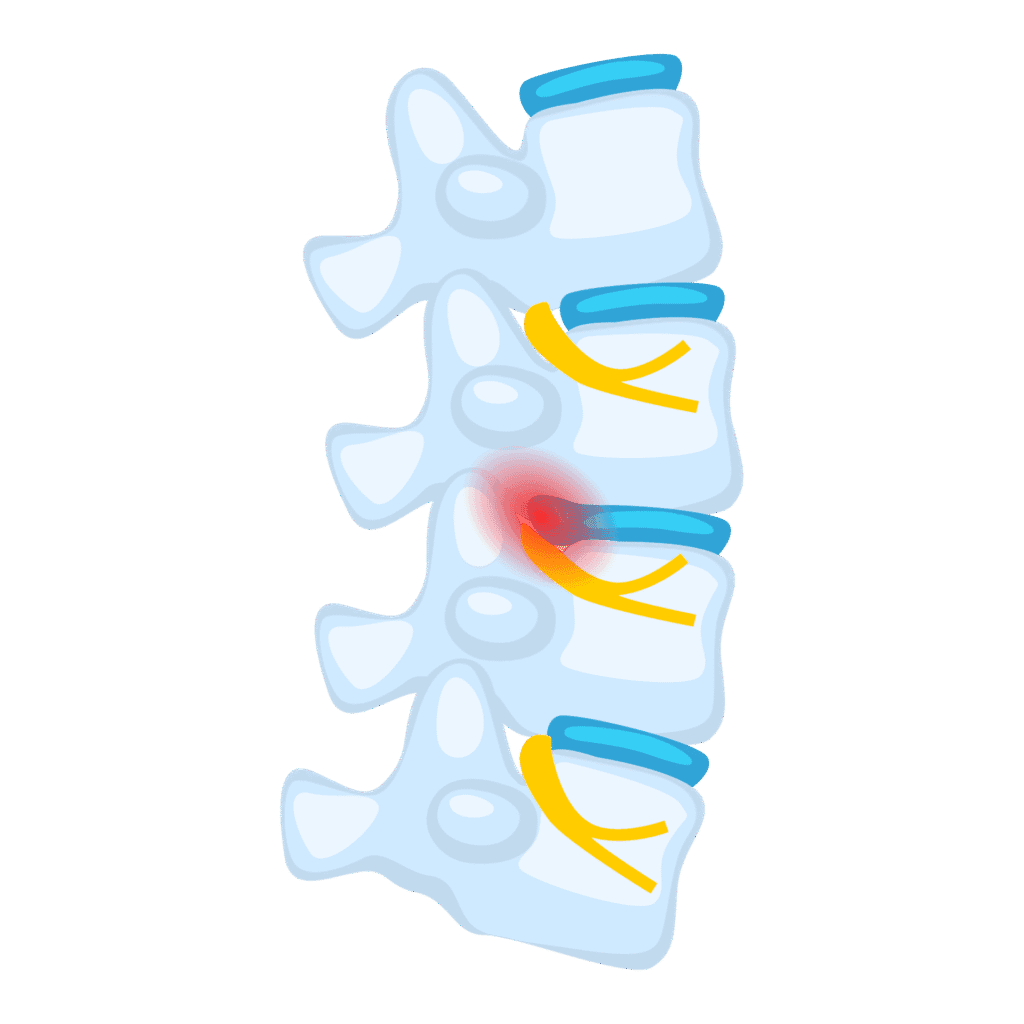
I often say to patients the term “sciatica” is a general and non-specific diagnosis used by people (including health practitioners!) when people describe pain down the leg.
Therefore we need to be more specific in terms of location and potential causes when it comes to patients presenting with sciatica so here are some hopefully useful points to help you understand sciatica better.
Why Does Back Pain Keep Returning?
Recurrent back pain is rarely random. Common contributing factors include:
- Incomplete rehabilitation after an initial episode
- Reduced spinal endurance
- Poor load progression in sport or gym training
- Prolonged desk-based work
- Repetitive bending or lifting
- Movement compensation patterns
If these factors are not addressed, flare-ups often reappear in the same area.
If your symptoms are primarily located in the lumbar region, see our page on Low Back Pain Treatment in Ringwood.
Signs Your Back Pain Is Recurrent
You may be experiencing recurring back pain if:
- Pain returns every few months
- Flare-ups occur after exercise or long drives
- Morning stiffness settles but reappears during busy periods
- Treatment previously helped, but symptoms never fully resolved
If pain radiates into the leg or includes nerve symptoms, visit our page on Sciatica Treatment in Ringwood.
How Osteopathy Helps Recurring Back Pain
Treatment focuses on both symptom relief and long-term prevention.
Your assessment may include:
- Spinal and hip mobility testing
- Load tolerance evaluation
- Functional movement screening
- Lifestyle and occupational review
Management may include:
- Manual therapy
- Soft tissue techniques
- Targeted exercise prescription
- Load management advice
- Strategies to reduce recurrence frequency
The goal is to reduce the intensity, duration and frequency of flare-ups — not just provide short-term relief.
When to Seek Assessment
Consider booking an appointment if:
- Your back pain keeps returning
- Flare-ups interfere with work or sport
- Pain is becoming more frequent
- Self-management no longer settles symptoms
Book your recurring back pain assessment in Ringwood online today.
Once the location(s) and cause(s) of the sciatic nerve irritation have been identified, your osteopath should discuss with you the most appropriate course of treatment and management approach based on your lifestyle and activities. In some cases, when the sciatic nerve symptoms affect the patient’s daily activities or sleep, your osteopath may suggest consulting your GP to see if medications can help with your symptoms.
Early accurate diagnosis and intervention are key in the treatment and management of sciatic pain, so if your symptoms do not improve within 5-7 days, consult a qualified healthcare professional.