Sports Back Pain Treatment in Ringwood
Back pain linked to sport or training is rarely just “tight muscles.”
Whether you are a runner, golfer, gym enthusiast or field sport athlete in Ringwood or the New Forest, repeated loading, rotation and impact can place significant stress on the spine.
At New Forest Osteopathy, assessment focuses on identifying the mechanical and load-related drivers behind sports back pain — not simply reducing symptoms.
For a full overview of back pain causes and treatment approaches, read our guide to Back Pain Treatment in Ringwood.
Why Does Sport Cause Back Pain?
Sport-specific back pain often develops due to:
- Repetitive rotation (golf, tennis)
- Impact loading (running)
- Heavy lifting or gym progression errors
- Sudden increases in training volume
- Reduced hip or thoracic mobility
- Core endurance deficits
When load exceeds tissue tolerance, pain can develop gradually or after a specific session.
If symptoms are primarily located in the lumbar region, visit our page on Low Back Pain Treatment in Ringwood.
Common Presentations We See
Running-Related Back Pain
- Pain after long runs
- Stiffness during high mileage weeks
- Reduced tolerance to speed sessions
Golf-Related Back Pain
- Pain during rotation
- Stiffness after playing
- Discomfort during follow-through
Gym or Lifting Back Pain
- Pain after deadlifts or squats
- Symptoms with loaded spinal flexion
- Recurring tightness under fatigue
If your back pain repeatedly returns during training cycles, you may also benefit from reading about Recurring Back Pain Treatment in Ringwood.
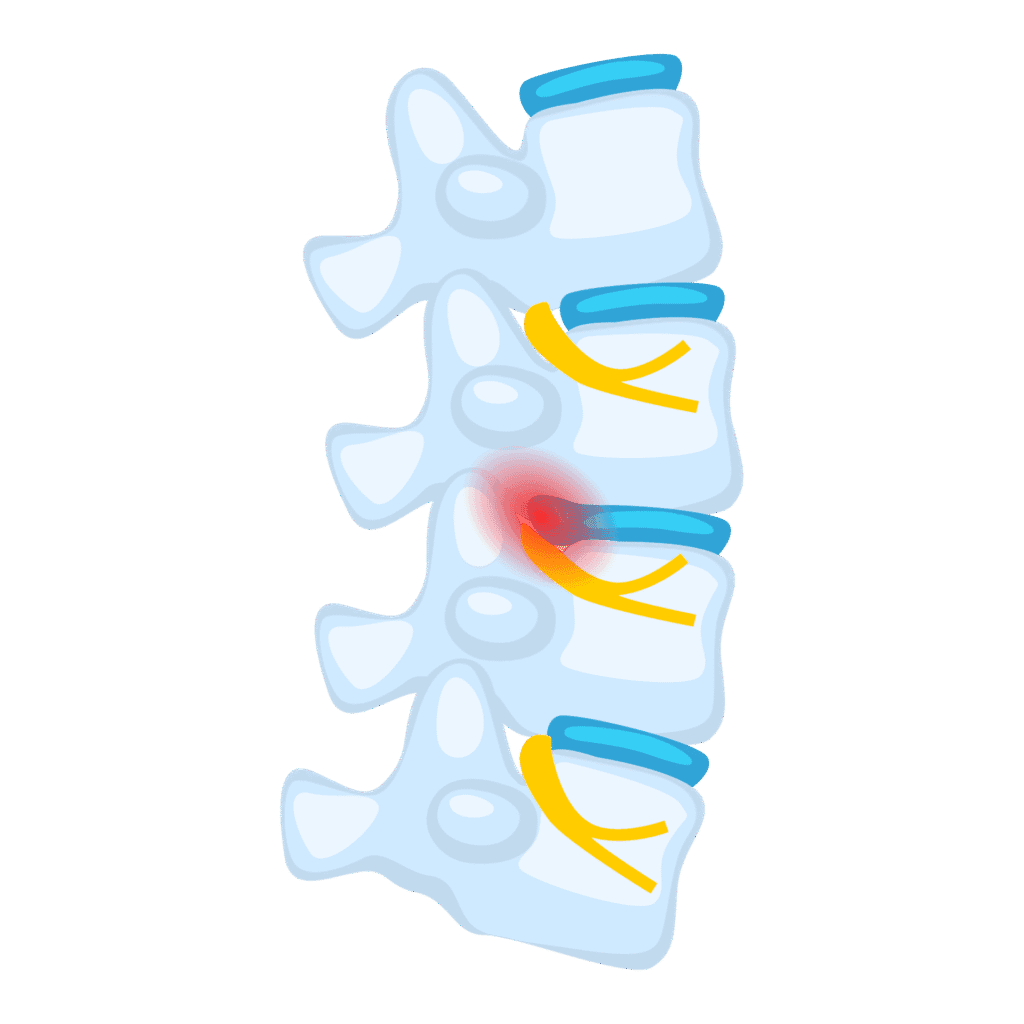
When Sports Back Pain Involves Nerve Symptoms
If you experience:
- Pain radiating into the leg
- Tingling or numbness
- Weakness
See our page on Sciatica Treatment in Ringwood.
How Osteopathy Helps Sports Back Pain
Assessment includes:
- Movement and load tolerance evaluation
- Hip and thoracic mobility testing
- Spinal endurance assessment
- Training volume and progression review
- Sport-specific movement analysis
Treatment may include:
- Manual therapy
- Soft tissue techniques
- Exercise prescription
- Load management guidance
- Return-to-training planning
The goal is not simply to settle pain — but to restore performance capacity and reduce recurrence risk.